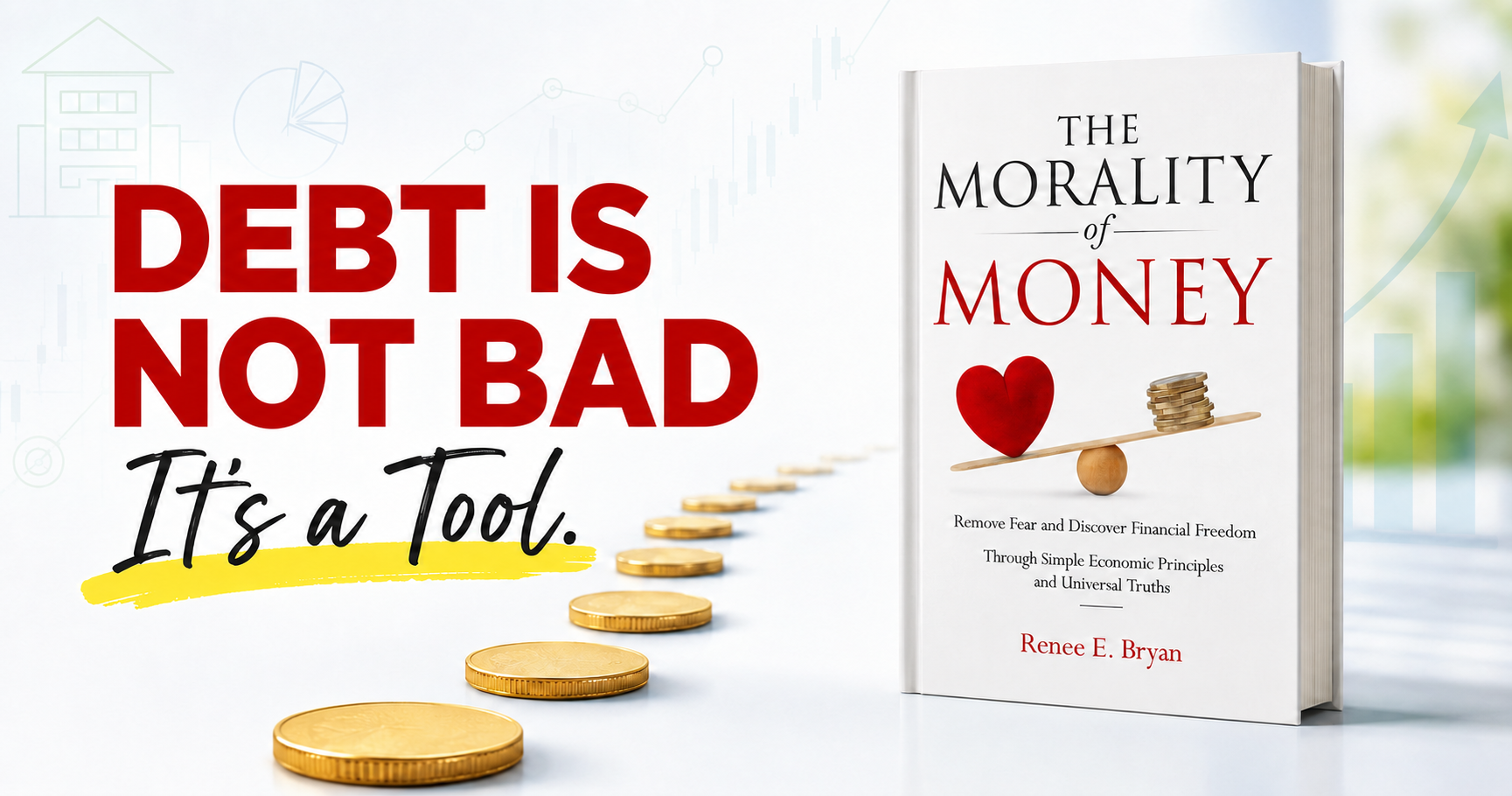
The most gratifying reviews are the ones that tell me a reader did more than enjoy The Morality of Money—they found an idea they will carry with them.
That is exactly what this verified Amazon purchaser found in the chapter “Debt is NOT Bad.”
“Read this well-written book for a new perspective on finances! I really appreciated the ‘Debt is not bad’ chapter. Renee Bryan’s writing is so articulate and also accessible. I can’t recommend it highly enough! You’ll probably find yourself referring back to it for wisdom and insight for years to come.”
—L Sad, verified Amazon purchaser, five-star review
Why does that chapter stand out? Because it gives readers something more useful than another rigid list of financial rules. It gives them a new way to think.
Dave Ramsey Gives You Rules. This Book Gives You a New Way to See Money
Millions of people know Dave Ramsey and Financial Peace University. His message is simple: debt is bad, pay it off, and never go back.
Simple rules can be helpful. But they can also keep us from seeing opportunities.
The Morality of Money does not replace one set of rigid rules with another. It helps you understand how money actually works so you can make better decisions for your life, your family, and your future.
As I explain in the book:
“Debt isn’t bad. It isn’t good either. It is a tool. Once we understand how this tool works, we will know when to use it and how to utilize it to our advantage.”
That is a far more powerful lesson than “all debt is bad.” Once you understand the tool, you can decide when to avoid it, when to eliminate it, and when it may help you build something valuable.
Debt Can Help You Build Wealth
A mortgage can help you own a home. A business loan can help you expand a company. Carefully chosen financing can preserve your savings, protect your cash flow, or allow your money to continue earning more money.
Of course, debt can also cost too much, hide predatory terms, or tempt us to spend money we do not have. That is why you need knowledge—not fear.
The Morality of Money walks readers through real decisions involving interest rates, loan fees, refinancing, mortgages, zero-percent offers, savings, investing, and financial risk. These are not abstract theories. They are practical examples from my life and more than 35 years working in financial services and education.
You will learn to ask better questions: What is the true cost of this loan? What does it allow me to accomplish? What might my money earn elsewhere? What are the risks? What happens if my circumstances change?
That is how financially confident people make decisions.
Why “Pay Off Everything” Is Not Always Financial Peace
I know what it feels like to lose a home. I also know what it feels like to realize that the extra money I had faithfully sent to a mortgage company was no longer available when my family needed it.
That experience taught me one of the most important lessons in the book:
“When I gave a lender extra money, I effectively gave them my power, options, and control.”
Paying off debt can be an excellent goal. But becoming debt-free while leaving yourself without adequate savings, investments, or cash flow is not necessarily financial freedom.
Today, I have enough savings to pay my debts if I choose. That is freedom. My money remains available, continues working for me, and gives me choices.
The goal is not to make a lender’s balance reach zero as quickly as humanly possible. The goal is to build a financial life that can support you—even when life does not go according to plan.
The Personal Finance Book for People Who Want More
If Dave Ramsey’s Financial Peace University helped you begin, wonderful. But you may be ready to move beyond the Baby Steps.
You may want to understand investing instead of merely being told to invest. You may want to understand government programs and economic policy because they affect every penny you earn, save, borrow, and spend. You may want to build wealth without turning money into the measure of your worth.
The Morality of Money brings those pieces together.
It is a personal finance book, an economics lesson, and a guide to living with greater purpose, confidence, gratitude, and peace. It respects you enough to explain the “why,” not merely hand you another rule.
That is why this Amazon reviewer called the book “articulate and also accessible” and predicted readers would refer back to it “for wisdom and insight for years to come.”
Debt is not bad. It is a tool—and it is only one of the financial tools waiting for you in The Morality of Money.
If you are ready to remove fear, understand your choices, and discover a more thoughtful path to financial freedom, buy your copy today.
The Morality of Money: Remove Fear and Discover Financial Freedom—Through Simple Economic Principles and Universal Truths
Because you do not need more financial commandments. You need the knowledge and confidence to make your money work for your life.
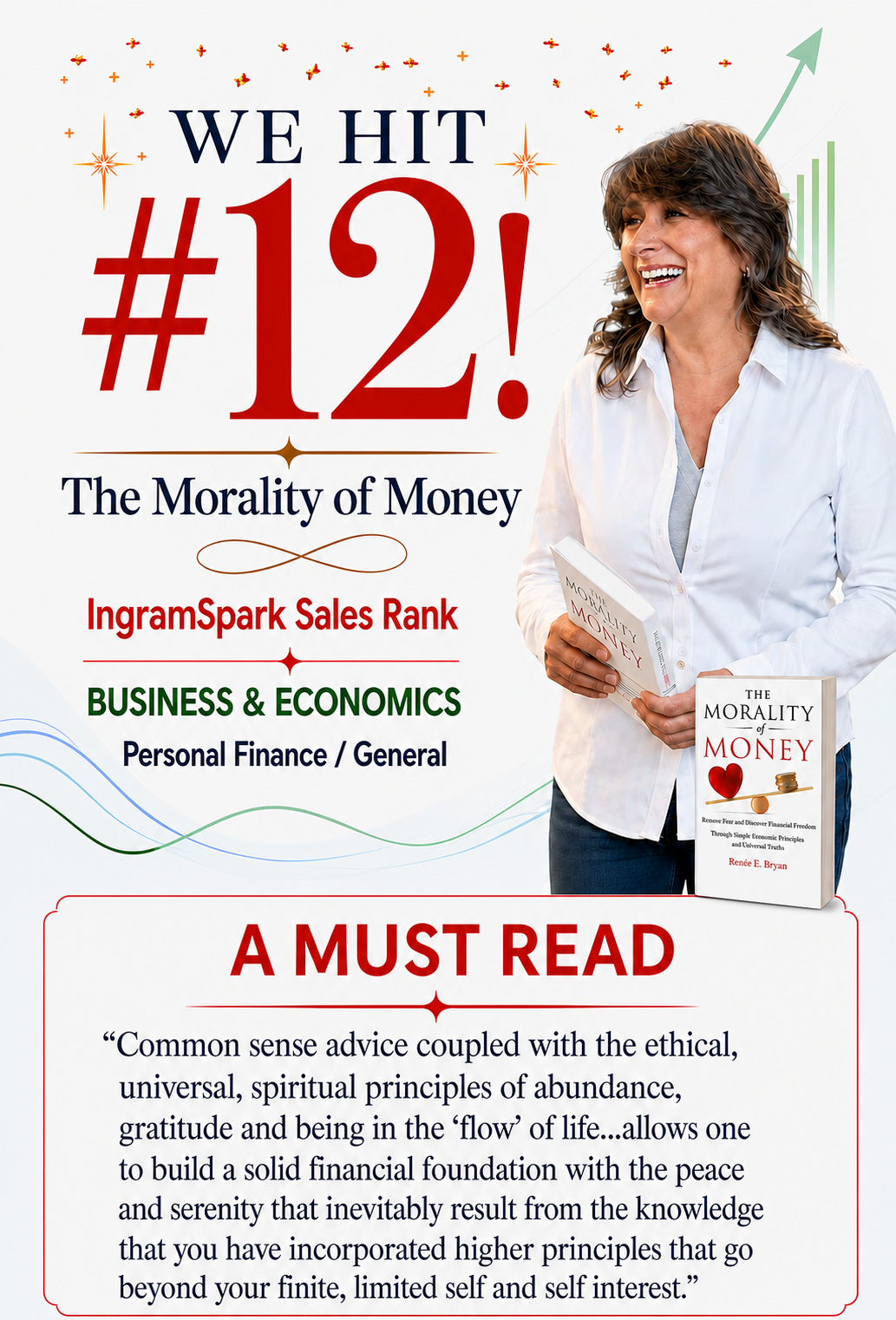
Click the image to buy The Morality of Money on Amazon.
Comments are closed