Beyond
Dave Ramsey.
What if financial peace requires more than following someone else’s rules?
Explore six questions about Dave Ramsey’s Financial Peace University, his Baby Steps, and what it really means to be financially free.
The book that began as What Dave Ramsey Got Wrong.
After more than 35 years in financial services and education, I had plenty to say about Dave Ramsey’s Financial Peace University and the familiar rules behind his Baby Steps. But the book became something much bigger.
The Morality of Money is about understanding financial tools, removing fear, and making choices grounded in knowledge, integrity, and purpose. You deserve to understand the why behind financial advice—not just be told what to do.
And yes, that means asking some uncomfortable questions and considering the trade-offs for yourself.
Six questions worth asking.
What’s wrong with Dave Ramsey’s approach? If I’d kept the title, “What Dave Ramsey Got Wrong,” I could have made this a three-volume set. Instead, The Morality of Money evolved into something much bigger than a critique of one man’s advice.
When examining Dave Ramsey’s approach, consider these questions, which challenge some of the foundational principles of his financial advice. These questions also run through The Morality of Money, where I explore why financial decisions should be based on knowledge rather than fear. Each article examines a familiar assumption and offers a different, and honestly, a better way to understand the trade-offs so you can make informed decisions for yourself.
Being fearless in our finances includes facts, sound strategies, and an openness to differences –and you’ll get that here. Additional articles will be linked as they are published.
Is Debt Really Bad?
Debt isn’t the enemy. Misunderstanding how to use it can be. Dave Ramsey teaches people to eliminate debt, but what if paying it off too quickly costs you financial security, investment opportunities, and control over your money? Discover why managing debt wisely can be more valuable than simply becoming debt-free.
Read the existing article →$1,000 for Emergencies?
Dave Ramsey’s Baby Step 1 calls for a $1,000 starter emergency fund before paying off nonmortgage debt. But what happens when real life costs more—and your cash is gone? Doesn’t that just bring more debt?
Explore the principle ↓Pay Off Debt or Invest?
Dave Ramsey’s debt snowball prioritizes paying off nonmortgage debt before resuming retirement investing. Paying interest matters. So does time, compounding, employer matches, and opportunities you cannot replace.
Explore the principle ↓What Makes Us Rich?
What can wealth tell us about wisdom, humility, and the willingness to make the world better? The truth is for most of us, what we value can’t be found in a bank account. Life is about so many things that make us rich.
Explore the principle ↓Is A Bargain Ever Worth Our Integrity?
Dave Ramsey speaks about the importance of integrity and encourages readers to use a false excuse in negotiation. Is there financial peace in this sort of exchange ?
Explore the principle ↓Is Debt-Free the Same as Financially Free?
Imagine having the assets to pay every debt if you chose—and enough income from those assets to support your life. The way to get there may take too long in Dave Ramsey’s strategy.
Explore the principle ↓Financial advice should explain the trade-offs.
My criticism of Dave Ramsey’s financial advice is substantial, but my purpose is hopeful. I want you to be better informed, less afraid, and more capable of directing your financial future.
I know what it means to lose financial security. Losing our family home taught me that money already sent to a lender was no longer available when my family needed it. That experience changed how I think about savings, debt, and the importance of keeping options open. It is one of the reasons I wrote The Morality of Money.
You do not need another rigid financial formula. You’ll be far more empowered by having the knowledge and tools to make decisions that fit your life, today and every day.

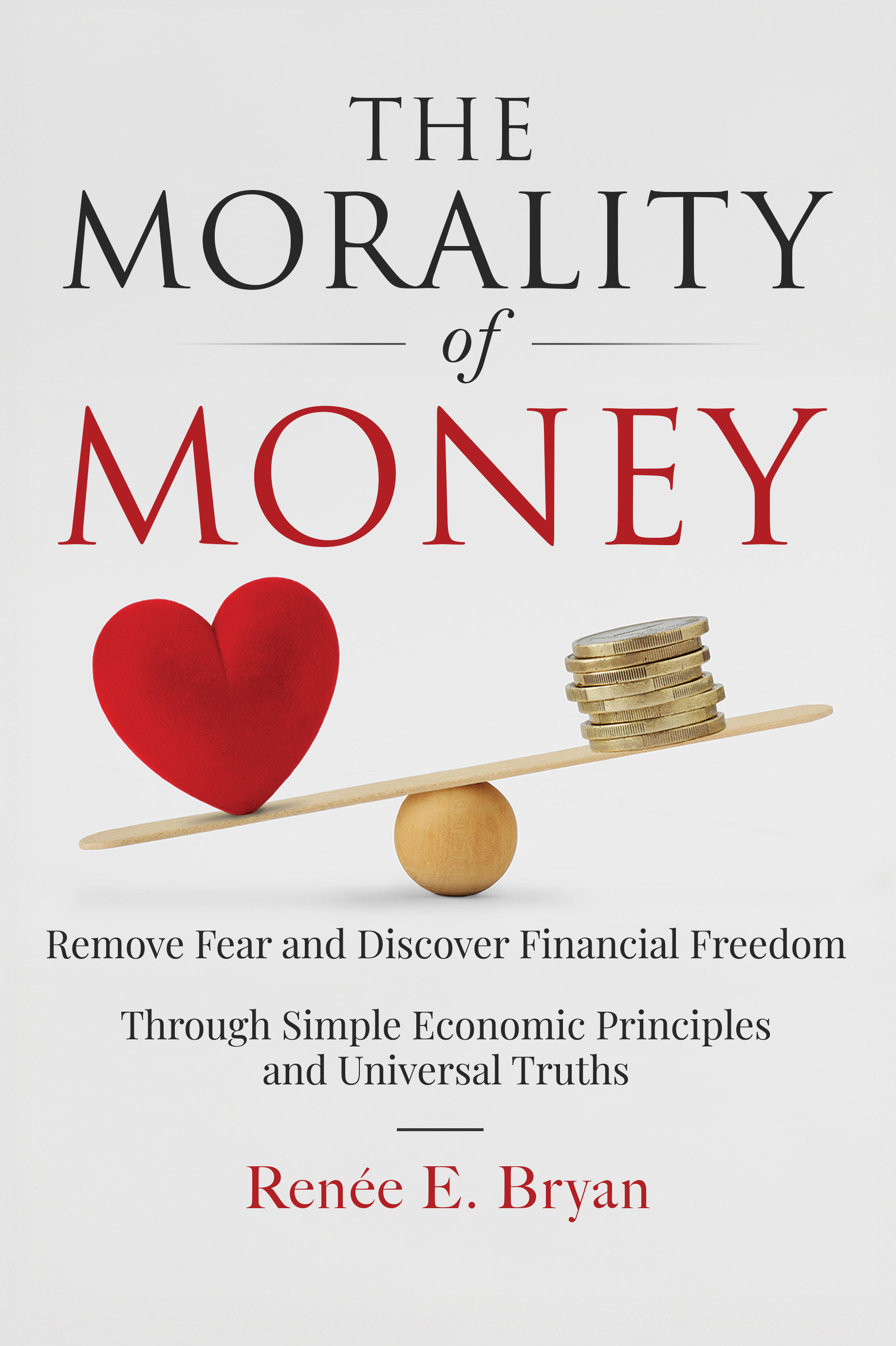
Discover The Morality of Money.
Simple economic principles. Universal truths. An eight-step Spirit-led decision-making strategy that helps you make all sorts of life choices with confidence, compassion, and integrity. The book also offers five consistent practices for financial success, six debt strategies, and the 7G’s of Great Riches.
Reached #8 in IngramSpark’s Business & Economics / Personal Finance rankings and Amazon’s Top 100 in Christian Values & Virtues.